 Fairfield County
Plumbing Emergency Troubleshooting: What to Do Before the Plumber Arrives
A burst pipe can put out hundreds of gallons in an hour, and the first ten minutes decide whether you get a mop job or a remodel. This guide walks Trumbull, CT homeowners through the things that matter most in a plumbing emergency: where your main shutoff valve is, how to triage a burst pipe, how hidden leaks actually get found, what to do about water damage in the first day, and why sump pumps matter so much in older Connecticut homes.
October 4, 2026 · Plumber Trumbull CT · 702 Booth Hill Rd, Trumbull, CT 06611
Step One Is Always the Same: Stop the Water
Every plumbing emergency answer starts in the same place. Before you call anyone, before you grab towels, before you try to figure out where the water is coming from, shut off the water. A pressurized supply line can discharge an enormous volume of water very quickly, and every minute it runs turns a cleanup into reconstruction. Once the water is off, the emergency is no longer growing. Everything after that is just cleanup and repair, and you can think clearly.
There are two levels of shutoff worth knowing. The fixture shutoff is the small valve right at the sink, toilet, or appliance, the little oval or teardrop handle under a sink or behind a toilet. If you can see where the water is coming from and it is one fixture, close that valve and you have solved the immediate problem without losing water to the whole house. The main shutoff is the single valve that stops all water entering the house, and that is the one that matters when a pipe bursts inside a wall, water is coming through a ceiling, or you simply cannot find the source.
Do not waste emergency time opening cabinets and chasing individual valves if you are not sure which one controls the leak. Go straight for the main. It is always faster to kill the whole house supply and restore it later than to guess wrong while the water keeps running. A five minute delay while water runs through a floor can mean the difference between drying a rug and replacing subflooring.
The 30-Second Drill
Know these three things today, before anything happens: (1) where your main shutoff valve is, (2) which direction closes it, and (3) whether it actually turns, because valves that sit untouched for a decade sometimes seize. Test it once a year. It takes two minutes and it is the single highest-value home maintenance task that exists.
Where Is the Main Shutoff Valve in a Typical Connecticut Home?
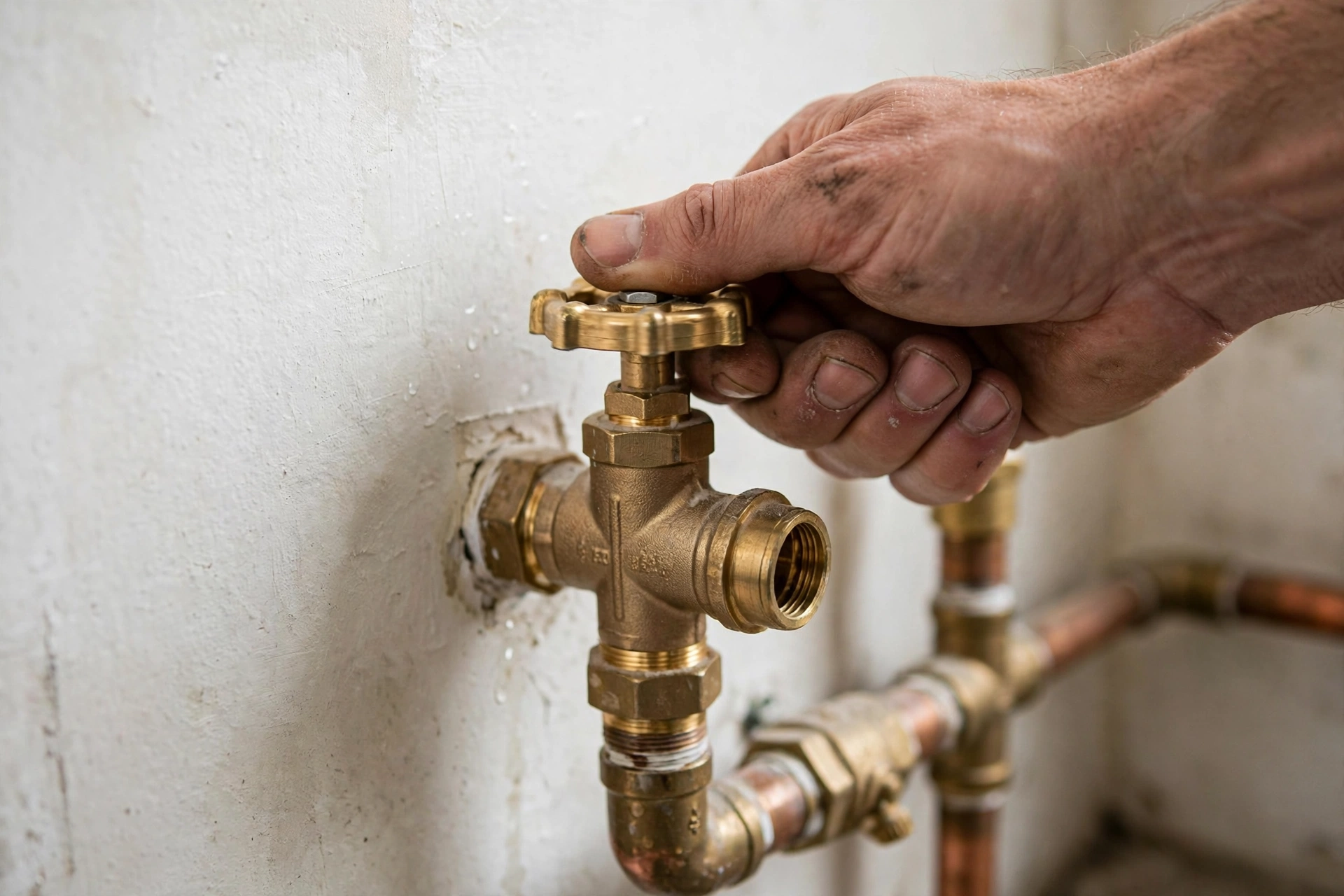
In most Connecticut homes, the main shutoff valve is in the basement, on the front wall facing the street, near where the water service line enters the foundation. It is usually within a few feet of the water meter if the house has one, sitting on the copper or PEX line coming through the concrete or block wall. Look for a gate valve with a round wheel handle or a ball valve with a lever handle. The ball valve style is better. A quarter turn of the lever so it sits perpendicular to the pipe means closed, and that is easy to confirm even in a panic.
Homes without basements are different. In slab-on-grade or crawlspace houses, the shutoff is often near the water heater, under the kitchen sink cabinet, in a garage utility corner, or in an exterior box at the property line. If your house is a ranch on a slab, check near the water heater first. If it is an older raised ranch or colonial with a crawlspace, the valve may be inside an access panel, and it is worth knowing the access location before an emergency, not after.
There is also the curb stop, the municipal valve at the property line in a covered pit near the street or sidewalk. This shuts off water between the street main and your house, and it is the backup when your indoor valve fails or is seized. In Connecticut, curb stops generally require a long curb key tool to operate, and in some towns homeowners are not supposed to touch them, so treat the curb stop as a backup plan for the water utility or your plumber rather than your first move. If your indoor valve is stuck or broken, shutoff still needs to happen, and that is a legitimate reason to call for emergency help immediately.
A note for older homes, which describes a good share of Trumbull's housing stock: original gate valves from the mid-20th century corrode internally and can snap the stem if forced. If your main valve has not been touched in twenty years, do not lean your whole body weight into it. Test it gently. If it will not budge, have it replaced with a full-port ball valve during a scheduled visit, not during a flood. A plumber can swap a main shutoff in an hour or two of planned work, and it is one of the best cheap insurance policies an older home can get.
A Pipe Just Burst. Now What?
Burst pipes in Connecticut are mostly a winter story. Pipes in exterior walls, unheated crawlspaces, garages, and attic runs freeze during the cold snaps that hit Fairfield County every year, and the failure often happens not while the pipe is frozen but when it thaws and pressure returns. The split is typically a longitudinal crack along the pipe, and once water finds it, the flow is continuous until the supply is shut off.
Here is the triage order. First, shut off the main valve, as described above. Second, open the cold water faucets at the lowest and highest points of the house, a basement utility sink and an upstairs bathroom, to drain pressure and remaining water out of the lines. Third, if water is near any electrical panel, outlet, switch, or appliance, do not wade in. Water and electricity is a hard stop. Kill the power to the affected area at the breaker panel if you can do it safely without standing in water, and if you cannot, stay out and wait for professionals.
Fourth, protect what you can. Move rugs, electronics, and furniture away from the water. Lift furniture onto blocks or foil if you have them. Pull up wet carpet edges if water is pooling underneath, because trapped moisture is what feeds mold. None of this requires a plumber, and all of it limits the damage the eventual repair bill will reflect. Fifth, document everything with photos and video before you start drying, because insurers want to see the condition as discovered.
Only after the water is off and the area is safe should you think about repair options. A clean burst in an accessible basement pipe is a straightforward repair, usually a section replacement with couplings. A burst inside a finished wall or ceiling requires opening the wall to get at it, which is where the cost climbs, because you are paying for wall repair as well as plumbing. HomeAdvisor's national cost data places typical burst pipe repair in the range of a few hundred dollars for an accessible repair, rising substantially when walls, ceilings, or flooring must be opened and restored. Those are national figures, not quotes from any local company, but they give a sense of why early shutoff matters: the plumbing part is often the small half of the bill.
Real talk: the number one thing that turns a burst pipe from a bad evening into a five-figure insurance claim is the delay between the pipe bursting and the water being shut off. Everything else in this article is secondary to that one fact.
Finding Leaks You Cannot See
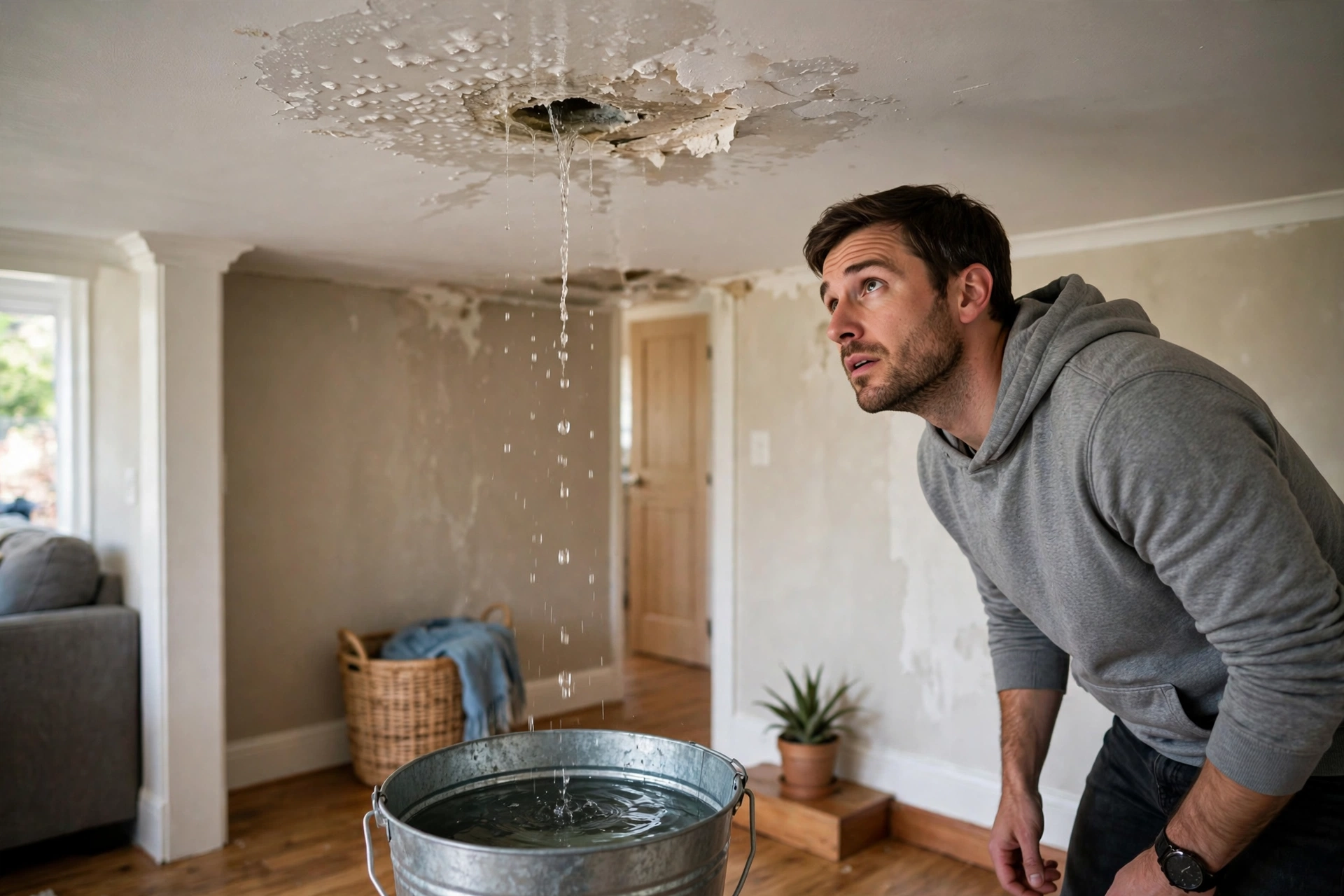
Not every plumbing emergency announces itself with spraying water. Slow leaks inside walls, under slabs, and in ceilings cause more total property damage nationally than burst pipes do, precisely because they run for weeks or months before anyone notices. The signs are quieter: a water bill that climbs without explanation, a musty smell that will not go away, paint that bubbles or stains, flooring that cups or warps, the sound of running water when nothing is turned on, or a warm spot on a floor that suggests a hot water line leak below.
The classic homeowner test is the meter check. Turn off every water-using fixture and appliance in the house, make sure nobody runs anything for an hour, then read the water meter at the start and end of that hour. If the meter moved, water is going somewhere it should not be. For a finer test, note the meter reading before bed and again first thing in the morning. Any movement overnight with zero usage means a leak, and the size of the movement hints at the scale.
Toilet leaks deserve special mention because they are the most common silent water waster in American homes. A flapper that does not seal lets the tank drain into the bowl continuously, and the fill valve quietly replaces it. The food coloring test is the standard check: put a few drops of food coloring in the toilet tank, wait 20 to 30 minutes without flushing, and if color appears in the bowl, the flapper is leaking. This simple test has saved homeowners hundreds of dollars a year in wasted water, and the Environmental Protection Agency's WaterSense program has long flagged toilet leaks as one of the biggest sources of household water waste.
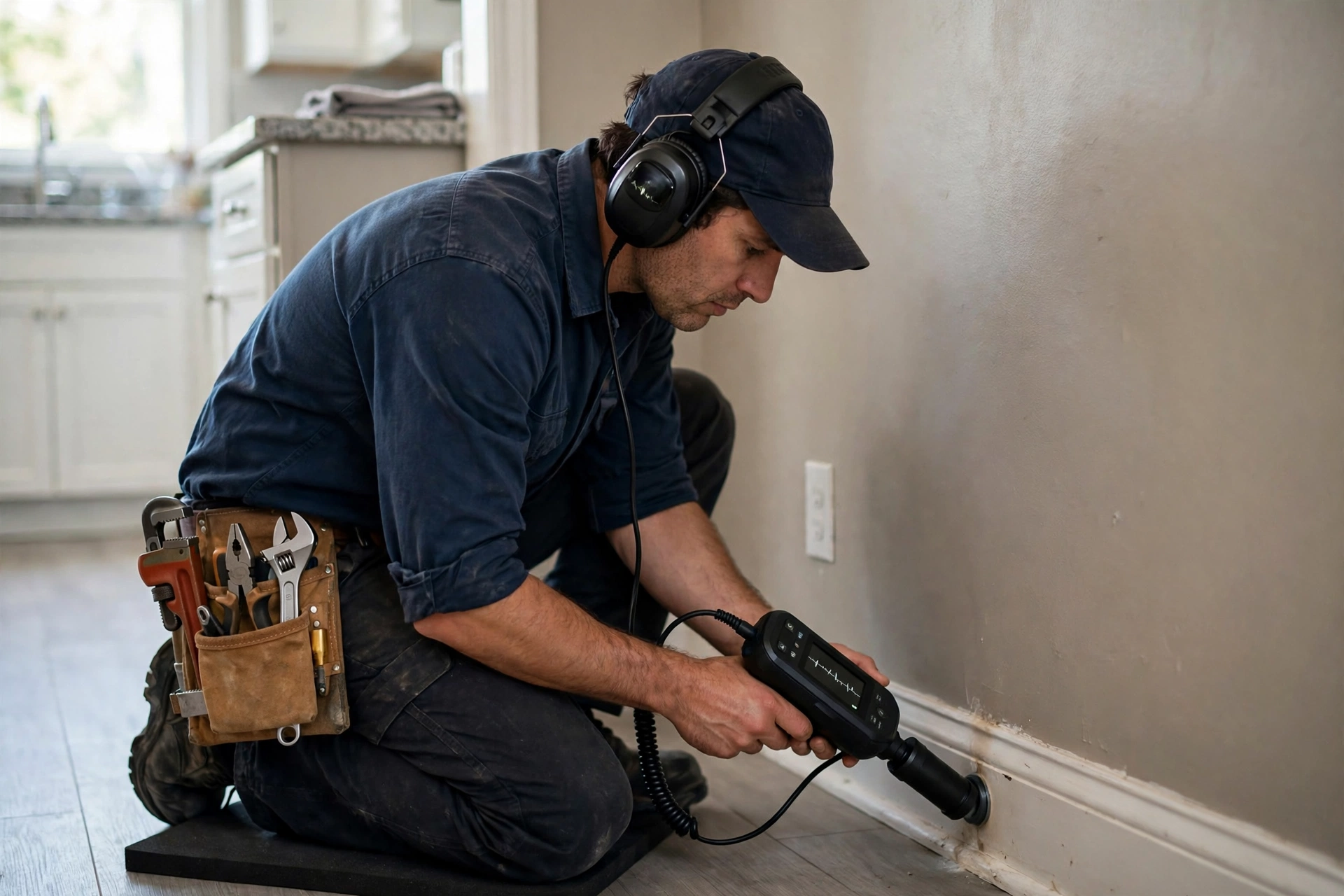
Professional leak detection is a different discipline from just looking around. Plumbers use acoustic listening equipment that picks up the sound of pressurized water escaping through a pinhole, thermal imaging cameras that reveal temperature differences in walls and floors, moisture meters that map how far dampness has spread, and tracer gas or camera systems for slab and sewer lines. If the meter check says there is a leak but you cannot find it, professional leak detection is the step that pinpoints it without tearing open half the house. The goal is one hole in one wall, not exploratory demolition.
Sump Pumps and Why They Matter Here
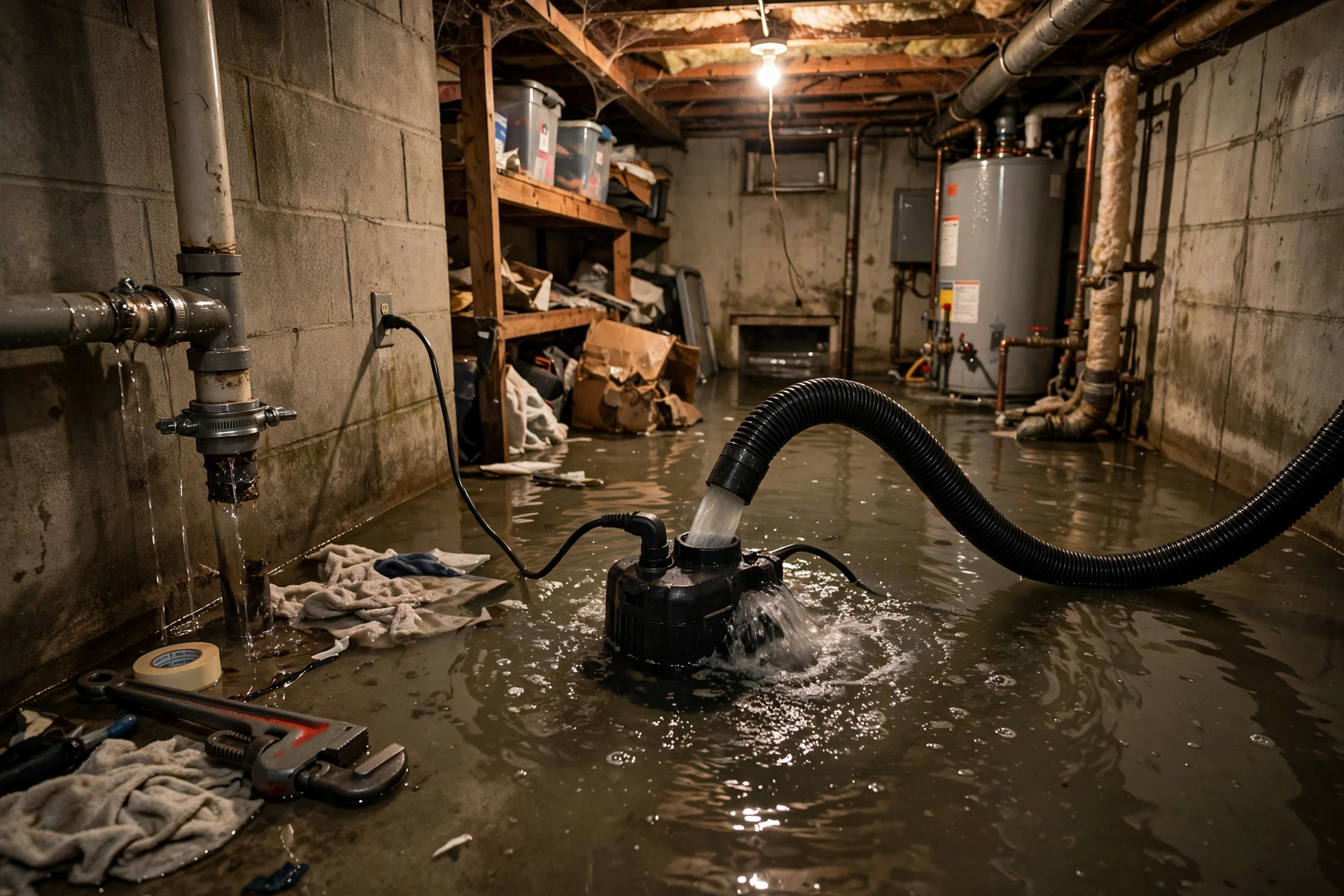
Sump pumps are not glamorous, but in Connecticut they sit at the intersection of plumbing and disaster prevention. A sump pump lives in a pit at the lowest point of a basement or crawlspace, and its only job is to eject groundwater before it becomes a flood. During the heavy spring rains and nor'easters that soak Fairfield County, the water table rises, foundation drainage feeds the pit, and the pump cycles on and off for days. When it works, you never think about it. When it does not, the basement tells you immediately.
Older homes present specific sump pump challenges. The original pump may be decades old and past its design life. The pit may be undersized or full of silt. The discharge line may freeze where it exits the house in winter, which causes the pump to run against a blocked line until the float switch fails or the motor burns out. And critically, most standard sump pumps die with the power, which is exactly when you need them most, because the storms that knock out power are the storms that flood basements.
That last point is why battery backup systems exist. A backup pump with a charged battery takes over automatically when the primary pump loses power or fails, and it can buy the hours needed to ride out a storm. Homeowners with finished basements, stored valuables, or furnaces and water heaters sitting on the basement floor should treat a backup as essential rather than optional. A water-powered backup is another option where municipal water pressure is reliable, since it runs on water pressure instead of electricity, though it does use water to pump water.
Maintenance is simple and almost nobody does it. Twice a year, pour a bucket of water into the pit and confirm the pump kicks on, pumps the pit down, and shuts off. Make sure the float moves freely and is not tangled on the discharge pipe or the pit wall. Check that the discharge line outside is clear and pointed away from the foundation. Listen for grinding, rattling, or a pump that runs constantly without moving water, all signs of a pump near the end. A sump pump that fails its bucket test in October is a ten minute conversation; the same pump failing during a March storm is an emergency call and a wet basement. If a replacement is needed, sump pump installation is routine planned work, and national cost data generally places a standard replacement in the mid-hundreds to low thousands depending on the pump type and pit work required.
The First 24 Hours After Water Damage
Once the water is stopped and the plumber is on the way or the repair is done, the clock starts on a different problem: moisture. Drywall, insulation, wood framing, and subflooring all absorb water, and mold can begin colonizing damp organic materials within 24 to 48 hours under the right conditions. The EPA's mold guidance emphasizes that the key to mold control is moisture control, and that materials should be dried promptly, generally within that first day or two, to prevent growth. This is why the hours right after a leak are spent drying, not just mopping.
Start by removing standing water. A wet-dry vacuum handles shallow water on hard floors. Towels and a mop handle what the vacuum cannot. Pull up area rugs and get them out of the wet zone. If carpet is soaked through to the pad, the pad usually cannot be saved and should go, because it holds water against the subfloor and feeds mold from below. Move wet furniture out if possible, and put anything that must stay on blocks or aluminum foil to keep legs off the wet surface.
Then move air. Open windows if the outdoor air is drier than indoors, which it often is in winter. Set up fans blowing across wet surfaces, not just into the room, because moving air across the surface is what evaporates moisture. A dehumidifier in the affected area dramatically speeds drying; empty it often or run the drain hose to a sink. Remove baseboards if water wicked up behind them, because the wall cavity behind wet baseboard is a favorite mold habitat. Cut out and discard drywall that is saturated and soft, typically anything that stayed wet and feels spongy, while drywall that merely got damp on the surface can often be dried in place.
Photograph everything before you throw anything away, and keep a simple log: what happened, when you discovered it, what you did, and what was damaged. Insurance adjusters work from documentation. Call your insurer promptly to open a claim, and ask specifically what is covered, because standard homeowners policies in Connecticut generally cover sudden and accidental water damage like a burst pipe but typically exclude gradual leaks that went unaddressed and almost always exclude flooding from outside the house unless you carry separate flood insurance. That distinction matters enormously, and it is worth knowing your policy's position before you need it.
Know when the job is bigger than DIY drying. If water reached insulation inside walls, if the affected area is large, if sewage or drain water was involved (that is a contamination problem, not just a moisture problem), or if you smell mustiness days after everything looks dry, bring in professionals. Water mitigation companies carry commercial dehumidifiers, air movers, and moisture meters that verify materials are actually dry, not just dry to the touch. National cost data typically puts professional water damage restoration in the low thousands for a moderate incident, rising with the affected area, and those figures are industry averages, not any company's quote.
What to Do While You Wait for the Plumber
After you have shut off the water and made the area safe, there is useful work you can do before the plumber arrives that saves time on the service call. Clear a path to the problem area and to the main shutoff valve. Move cars out of the driveway if the plumber will need access to a curb-side valve or exterior cleanout. If the issue is a fixture, clear under the sink or around the toilet so the work area is accessible. Plumbers bill for their time, and every minute spent moving your storage boxes is a minute not spent fixing the pipe.
- Write down what happened, in order. When the problem started, what you heard or saw, what you shut off, and what changed. Memory gets fuzzy under stress, and an accurate timeline helps diagnosis.
- Note the age and type of the failed component. Is that water heater 6 or 16 years old? Is the burst pipe copper, PEX, or old galvanized? Photos help.
- Check related fixtures. If one pipe froze, others in the same wall or unheated space may have frozen too. Run each faucet briefly and flush each toilet once the water is back on to check for additional failures.
- Do not use chemical drain cleaners on a suspected emergency. If a drain is backing up and you suspect a main line issue, caustic chemicals sitting in the line create a hazard for whoever opens it. This applies to drain cleaning calls too.
- Know where your cleanouts are. The sewer cleanout, usually a capped pipe near the foundation or in the basement, gives the plumber direct access to the main drain. If you know where it is, say so.
- Keep pets and kids clear of the work area, especially if there is standing water, open walls, or electrical concerns.
Real talk: nobody expects you to diagnose your own plumbing. The most useful thing you can do is be a good witness: what you saw, what you heard, and what you already tried. That is genuinely more helpful than a guess at the cause.
What Emergency Plumbing Work Typically Costs
Nobody can quote your job from a blog article, and you should be skeptical of anyone who tries. What published national data can do is set expectations so you can tell a reasonable estimate from an unreasonable one. HomeAdvisor and similar industry sources consistently show a few patterns. Simple accessible repairs, like replacing a section of burst copper pipe in an open basement ceiling, typically fall in the low hundreds. Repairs that require opening and restoring finished walls, ceilings, or tile run higher, often into the high hundreds or low thousands, because finish restoration is most of the work.
Leak detection as a standalone service typically runs in the low hundreds nationally when specialized equipment is involved, and it frequently pays for itself by limiting demolition to one precise spot. Sump pump replacement typically lands in the mid-hundreds for a straightforward swap of a similar unit, more if the pit needs work or a battery backup system is added. Water damage restoration is the wide-ranging one: industry averages for a moderate residential incident generally sit in the low thousands, and large incidents involving multiple rooms or finished basements go higher.
After-hours emergency service usually carries a premium over scheduled daytime work, which is standard across the trade. When you call, ask for the diagnostic or dispatch fee, ask whether it is credited toward the repair, and ask for the total price in writing before work begins. A reputable plumber will give you those numbers without hesitation. In Connecticut, home improvement contractors must be registered with the Department of Consumer Protection, and you can verify a contractor's status through the DCP before work starts, which takes a few minutes online and is worth doing for any job beyond a minor repair.
Plumbing Emergency Questions, Answered
Where is the main water shutoff valve in most Connecticut homes?
In most Connecticut homes it is in the basement on the street-facing wall, near where the water line enters the foundation, often close to the water meter. Look for a lever-style ball valve or a round wheel-style gate valve. In slab or crawlspace homes, check near the water heater, in a garage utility area, or in an exterior meter box. If you have never located yours, find it today and test that it turns.
What should I do first when a pipe bursts?
Shut off the main water supply immediately, then open the lowest and highest faucets to drain pressure from the lines. Keep clear of any water near electrical panels or outlets. Move valuables out of the water's path, photograph the damage for insurance, and then call a plumber. Do not try to repair a pressurized burst yourself while water is still flowing.
How can I tell if I have a hidden leak?
Watch for unexplained increases in your water bill, musty odors, stained or bubbling paint, warped flooring, or the sound of running water when everything is off. The meter test is the reliable home check: with all water off for an hour, the meter should not move. For toilets, put food coloring in the tank and check whether color reaches the bowl without flushing. If the meter moves but you cannot find the source, professional acoustic and thermal leak detection can pinpoint it.
Does homeowners insurance cover burst pipes and water damage?
Standard homeowners policies in Connecticut generally cover sudden and accidental water damage, such as a pipe that bursts without warning, but typically exclude damage from leaks that went unrepaired over time and almost always exclude flooding from outside the home unless you carry separate flood insurance. Document everything with photos, act quickly to dry the area, and call your insurer promptly to confirm what your specific policy covers.
How often should I test my sump pump?
At least twice a year, and ideally before the spring rainy season and before winter. Pour a bucket of water into the pit and confirm the pump activates, empties the pit, and shuts off. Check that the float moves freely, the discharge line outside is clear and directed away from the foundation, and the check valve is in place. If your basement has finished space or valuable equipment, a battery backup pump is strongly worth considering for power outages.
Should I use chemical drain cleaner on a badly backed-up drain?
No. Caustic drain chemicals sitting in a blocked line create a chemical hazard for anyone who later opens the pipe, and they rarely resolve a true blockage, especially a main sewer line problem. They can also damage older pipes. For a serious backup, stop using water, avoid the affected fixtures, and have the line cleared mechanically. If sewage is involved, treat it as a contamination issue and keep people and pets away from it.
References
American Red Cross. (2024). Recovering after a disaster: Cleaning up your home. https://www.redcross.org/get-help/how-to-prepare-for-emergencies/types-of-emergencies.html
Connecticut Department of Consumer Protection. (2024). Hiring a home improvement contractor. State of Connecticut. https://portal.ct.gov/dcp
Federal Emergency Management Agency. (2023). Floods: After a flood. U.S. Department of Homeland Security. https://www.ready.gov/floods
HomeAdvisor. (2025). How much does water damage restoration cost? https://www.homeadvisor.com/cost/disaster-recovery/water-damage/
This Old House. (2024). How to find and shut off your home's main water valve. https://www.thisoldhouse.com/plumbing/21072578/how-to-shut-off-water
U.S. Environmental Protection Agency. (2024). Mold course chapter 1: Why mold grows and how to control it. https://www.epa.gov/mold
Water Where It Should Not Be? Shut It Off, Then Call Us.
Burst pipe, hidden leak, flooded basement, or a sump pump that quit at the worst moment: 24/7 emergency dispatch across Trumbull, CT and Fairfield County.