 Fairfield County
Plumbing Cost Guide Trumbull CT: What Repairs & Replacements Really Cost
Honest, nationally-sourced price ranges for the plumbing jobs Trumbull homeowners ask about most, from water heaters and drain cleaning to repiping and sewer lines.
Why Plumbing Prices Feel Like a Mystery, and How to See Through It
There is a particular kind of sticker shock that comes with a plumbing bill. The job took two hours, the parts fit in a bucket, and the invoice reads like a car payment. Most homeowners in Trumbull have felt it at least once, and the natural question is whether the number was fair or whether they were taken for a ride. The honest answer is that plumbing costs vary enormously by job type, materials, access, and timing, and without a baseline, any quote is hard to judge.
This guide gives you that baseline. The figures below are typical national ranges published by major home-cost trackers, adjusted with notes on what makes a job cost more or less in a town like Trumbull. They are not Plumber Trumbull CT prices. Every job is quoted in writing after a diagnosis, because a 1700s farmhouse in Nichols with galvanized steel supply lines is a different project from a 1980s split-level near Daniels Farm with copper. But once you know what a water heater replacement usually runs nationally, or what hydro jetting typically costs, you can read any quote with confidence instead of guessing.
Trumbull's housing mix is the first thing shaping local costs. According to Census housing data, Connecticut has one of the older housing stocks in the country, and Trumbull's neighborhoods span the full timeline: 18th and 19th century homes in Nichols, mid-century homes around Long Hill and Trumbull Center, and newer construction out by Daniels Farm. Older plumbing means more corrosion, more cast iron, more galvanized pipe, and more jobs where the plumber discovers a second problem behind the first. Access matters too. A water heater in an open basement is a fast swap. One squeezed into a tight crawlspace adds labor hours, and labor is the largest slice of most plumbing invoices in Fairfield County, where wages and insurance costs run above the national average.
A few terms will keep showing up, so here is a quick orientation. A diagnostic or dispatch fee is the charge for the visit and the troubleshooting itself, usually credited toward the repair if you approve it. Labor is billed either hourly or flat rate, and in Connecticut the difference between a 9 a.m. weekday call and a midnight emergency call is a real after-hours rate that adds roughly $100 to $400 to the same job. Parts and materials range from a $20 valve to a $1,500 water heater. Permits apply to bigger jobs like repiping and sewer work, and they are a good sign, because an inspected job is a protected job. With that frame in place, here is what the common jobs actually cost.
Water Heater Repair and Replacement Costs
The water heater is the single most-called-about appliance in plumbing, and it has two very different cost tiers: repair and replacement. A typical water heater repair, things like a failed thermostat, a burnt-out heating element, a stuck valve, or a spent anode rod, usually runs $150 to $600 nationally, depending on the part and how hard it is to reach. These are fixable problems. A tank that heats unevenly or a pilot light that will not stay lit usually points to a component, and components can be swapped.
Replacement is a bigger number. A standard 40 to 50 gallon tank water heater, gas or electric, typically costs $900 to $2,500 installed nationally, and the spread comes from capacity, fuel type, brand, and whether the venting, gas line, or electrical circuit needs to be brought up to current code. Tankless units are the premium option: $2,000 to $5,500 installed is the normal national range, with the higher end covering gas line upgrades and venting that older Trumbull homes often need for a proper tankless install.
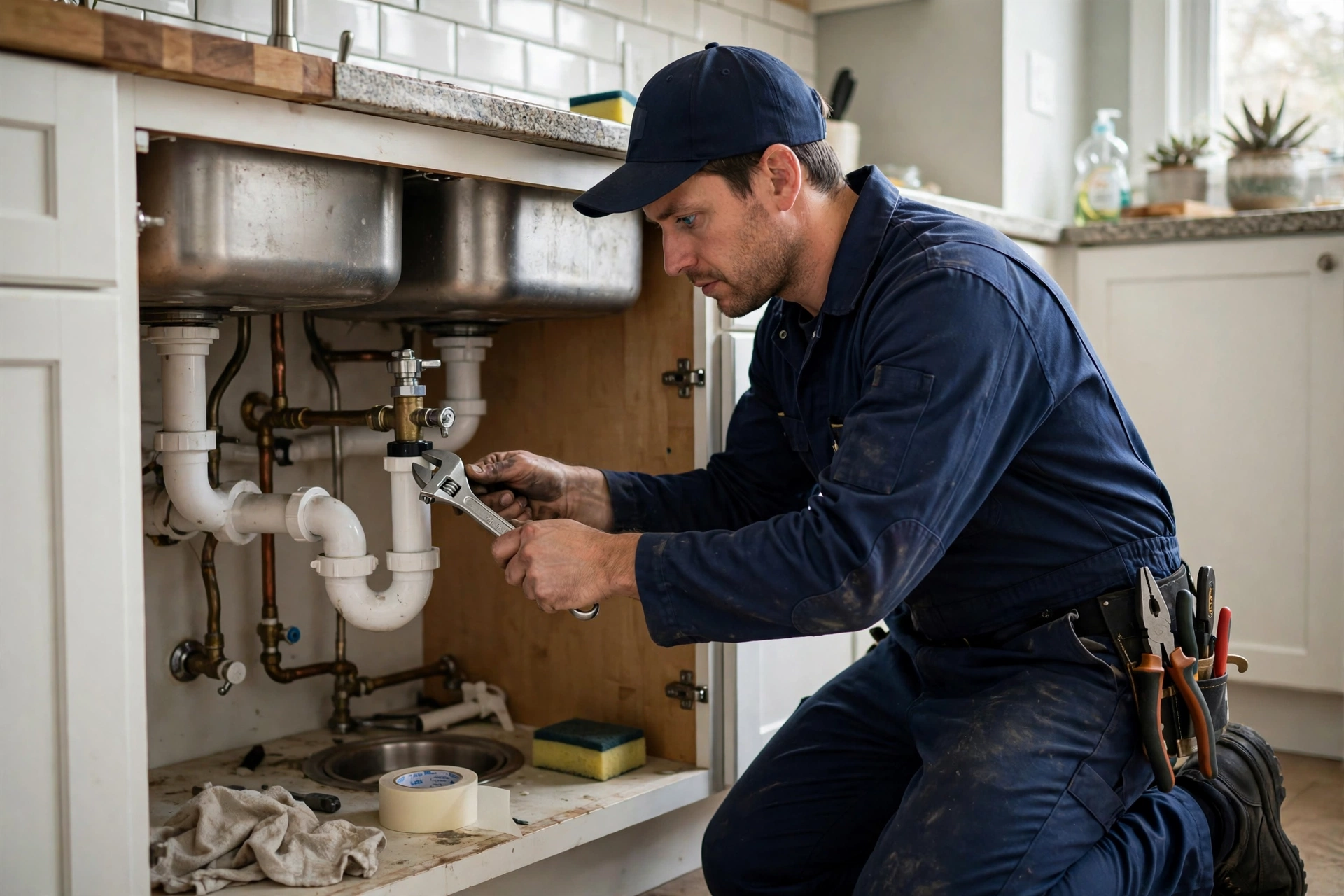
Real talk: if your tank water heater is over 12 years old and the tank itself is leaking, no part replacement will fix it. Repairs only make sense for valves, thermostats, and heating elements.
The decision rule plumbers use is straightforward. If the unit is under its expected 8 to 12 year lifespan and the failure is a component, repair it. If the tank is leaking from the body itself, replacement is the only option, because tanks cannot be patched reliably. And if the unit is past year ten and the repair estimate approaches half the cost of a new unit, put that money toward the replacement instead. For tankless systems, the math is similar: descaling and igniter or sensor repairs run $150 to $600, while a heat exchanger failure on an aging unit usually points to a new system. Energy efficiency is worth factoring in. The U.S. Department of Energy notes that water heating is typically the second largest energy expense in a home, so a newer high-efficiency unit can trim monthly utility bills enough to matter over its lifetime. If you want a professional opinion on which side of the line your unit falls, see water heater repair in Trumbull, CT for repair versus replace guidance.
Drain Cleaning and Clog Removal Costs
Drain cleaning is the job most homeowners underestimate and then wish they had called about sooner. A simple fixture clog, a bathroom sink or a tub, cleared with a cable auger, usually runs $150 to $400 nationally. Kitchen lines cost a bit more because grease and food waste pack harder than hair and soap scum. When the problem is the main sewer lateral, the line from your house to the street, national prices move to $300 to $800 for a standard cable clearing.
Two upgrades sit above basic cabling. Hydro jetting, which uses high pressure water to scour the inside of the pipe, typically costs $350 to $1,000 nationally, and it is the right tool when scale or heavy grease has narrowed the pipe rather than a single soft clog. A camera inspection, where the plumber sends a camera down the line and shows you what is actually in there, usually runs $150 to $400 and is often the smartest first spend when a main line keeps backing up, because it answers the repair versus clear question before you pay for either.
In Trumbull, drain age is the hidden variable. Homes in Nichols and Long Hill with cast iron drain stacks and old clay or cast iron laterals develop internal scale over decades, so a slow drain is sometimes not a clog at all but a pipe whose interior diameter has shrunk. Repeated snaking in that situation is money spent on a temporary fix. A camera inspection settles it, and if the pipe is failing, the money moves from the cleaning column to the repair column, which is honest even when it is not what you wanted to hear. For recurring main line trouble, read about drain cleaning in Trumbull, CT, including when camera inspection is the right call.
Leak Detection Costs and Burst Pipe Repairs
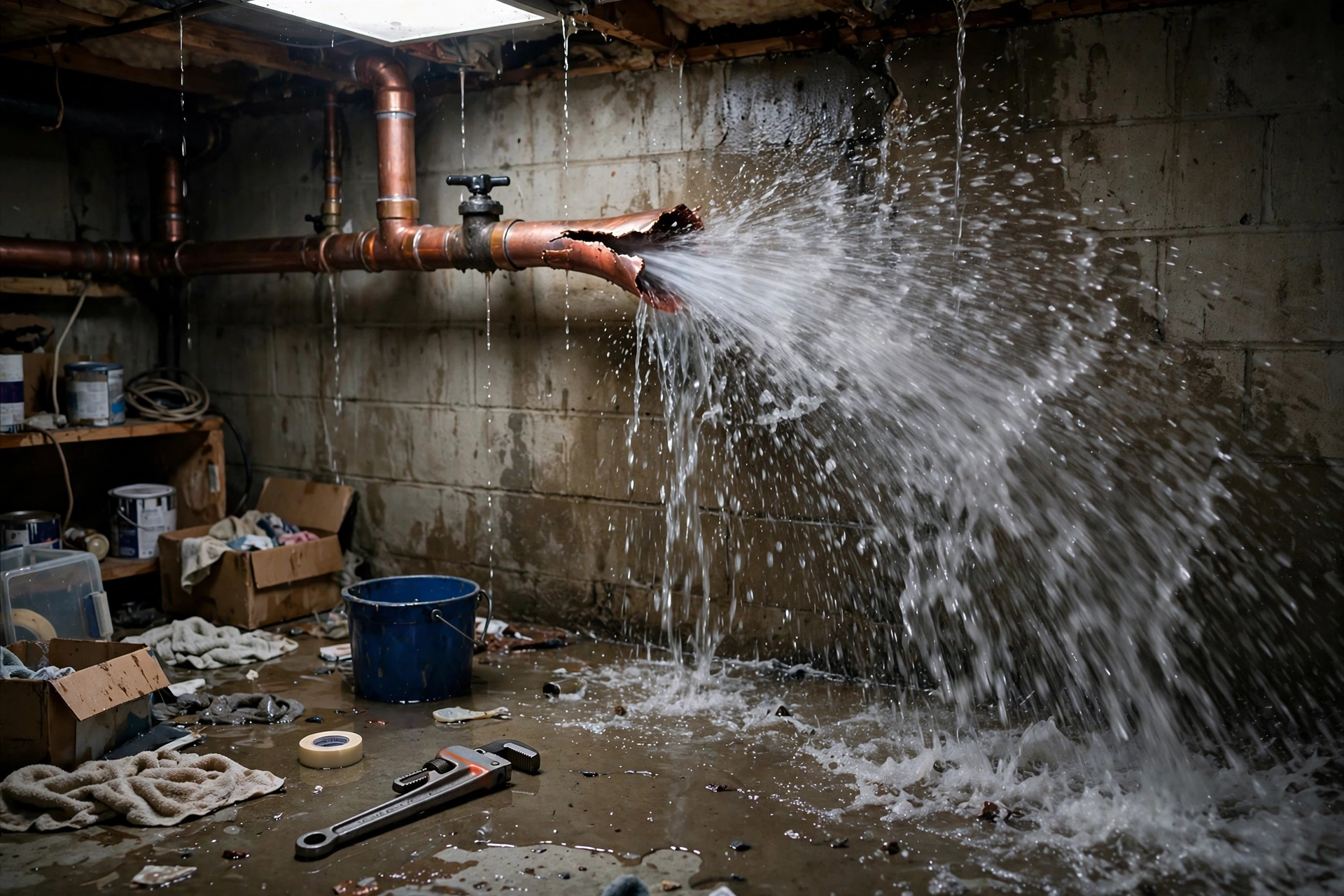
Professional leak detection, using acoustic listening equipment, infrared imaging, and pressure testing to find hidden leaks without tearing open every wall, usually runs $150 to $600 nationally. Simple jobs, a leaking supply line behind an accessible wall, sit at the low end. Slab leaks, where the leak is under a concrete floor, cost more to locate because the equipment and expertise are specialized, and locating the leak is only step one before the repair itself.
Once found, the repair cost depends on access. A burst pipe section that is exposed in a basement might cost $500 to $1,200 to repair nationally. The same burst inside a finished wall adds drywall repair and painting, which are usually billed separately and can double the project cost. Winter bursts are the classic Fairfield County emergency: pipes in unheated crawlspaces and exterior walls freeze during hard cold snaps, and the break often shows itself only when the pipe thaws. Shutting off the main water valve fast is the highest value move a homeowner can make, because every minute of flow is damage to floors, drywall, and the mold risk that follows. Learn what leak detection in Trumbull, CT involves before you need it in a hurry.
Pipe Repair and Whole-House Repiping Costs
Spot pipe repairs, replacing a burst section or a run of corroded pipe, typically cost $500 to $2,500 or more nationally, with access being the price driver. An exposed run in a basement is quick. A leak behind a tiled shower wall means the plumber opens the wall, and someone has to close it again. Pinhole leaks in copper, common in homes with aggressive water chemistry, can often be repaired individually, but when pinholes keep appearing in different rooms, the pattern is telling you the system is failing, not the fitting.
Whole-house repiping is the big project. Nationally, a full repipe typically runs $4,500 to $15,000 depending on house size, pipe material, and how many bathrooms and fixtures are involved. PEX is usually the most affordable full-system material and installs fastest, copper costs more but has its loyalists, and a hybrid approach is common. In Trumbull, repiping demand concentrates in pre-1960 homes still running galvanized steel supply lines, where forty-plus years of internal corrosion have choked water pressure and started the pinhole cycle.
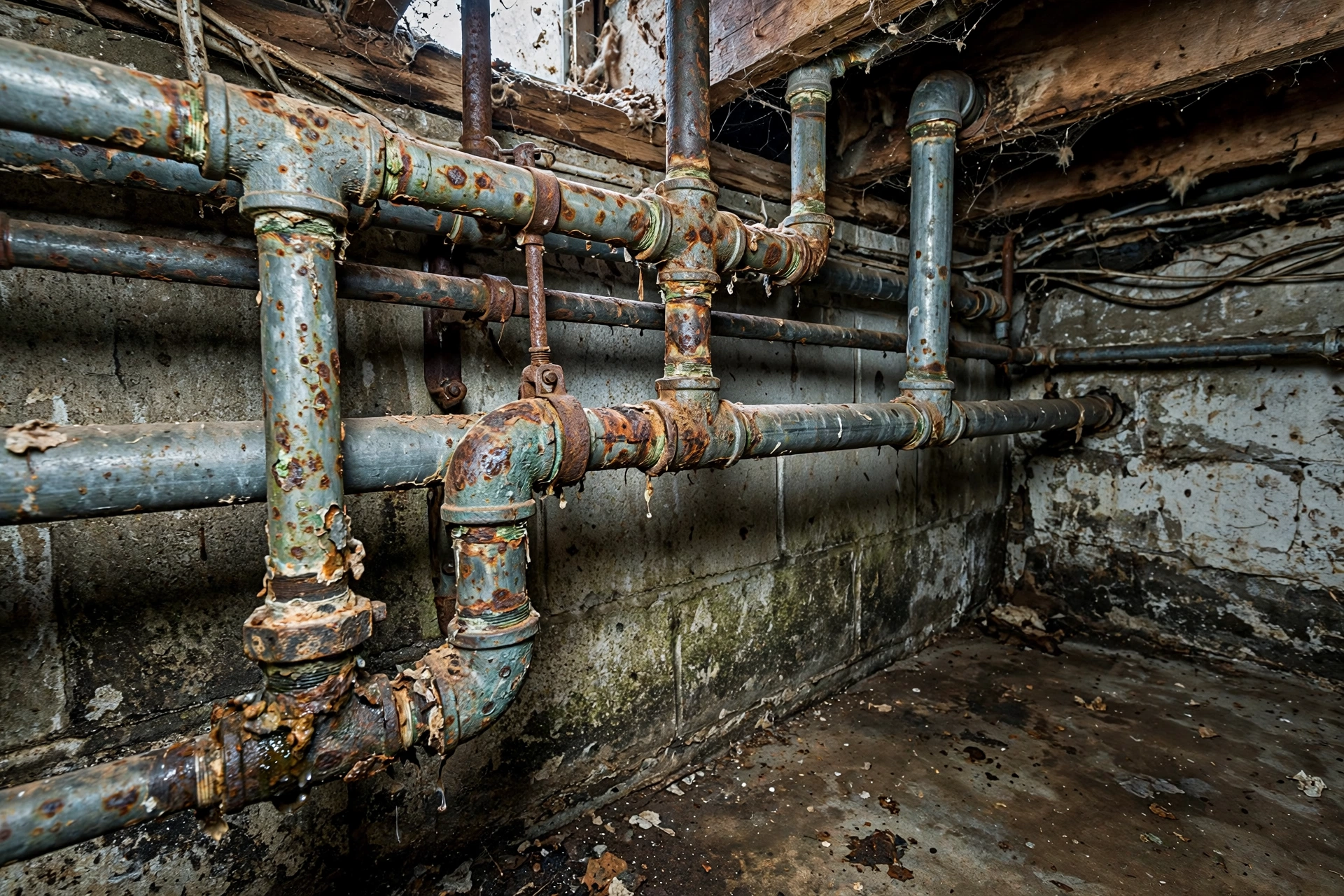
Real talk: the cheapest bid on a whole-house repipe is usually cheap for a reason, often thinner pipe walls, fewer supports, or a crew that disappears before the patch-up is done. Compare the materials list line by line, not just the bottom number.
Repiping almost always requires a permit and inspection in Connecticut, which adds roughly $50 to $300 but verifies the work meets code, a protection you want on a project this size. The job also involves opening and closing walls, so ask whether patch and paint are included in the quote or a separate contractor's bill. It is disruptive, usually taking two to five days, but homeowners consistently report the same surprise benefit: water pressure they forgot was possible and hot water that arrives faster, because the new pipe has its full diameter back. For an evaluation of whether your home has crossed from spot repairs into repipe territory, see pipe repair and repiping in Trumbull, CT.
Toilet Repair and Replacement Costs
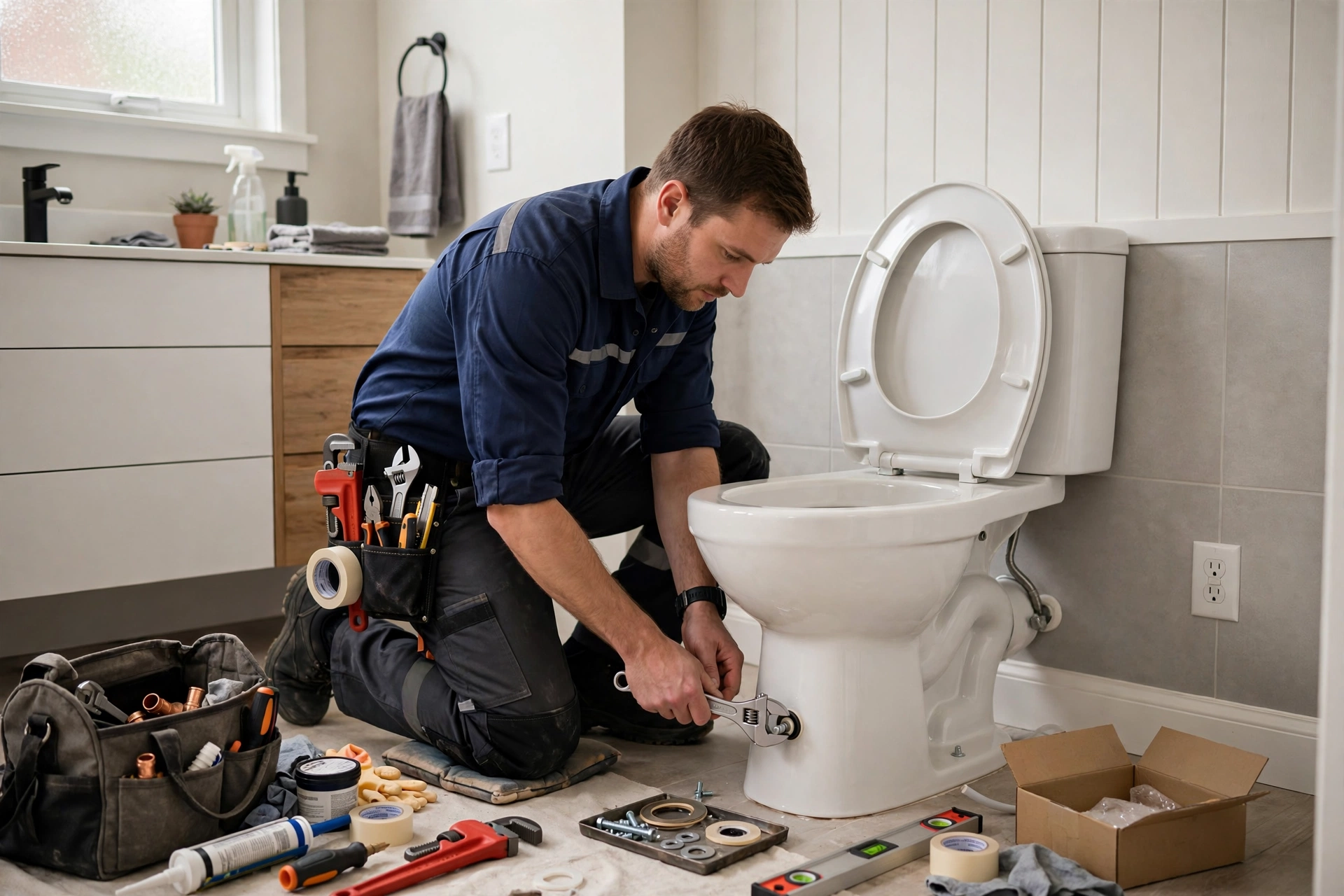
Toilets are the least scary item on this list. A running toilet, usually a worn flapper or a faulty fill valve, typically costs $150 to $300 to repair nationally, and the parts themselves are under $30. It is the best value repair in all of plumbing, because a toilet that runs constantly can waste hundreds of gallons a month, which the EPA's WaterSense program has flagged as one of the most common sources of household water waste. Fixing a flapper often pays for itself on the next water bill.
Full replacement, removing the old unit and installing a new one with a fresh wax ring and supply line, usually runs $350 to $900 nationally. The toilet itself is the variable: a basic model starts around $150, while comfort-height, dual-flush, and high-efficiency models climb from there. The valve and flange condition matters too. If the flange under the old toilet is cracked or rotted, repairing it adds to the job, and it is work worth doing right, because a rocking toilet with a bad seal is how bathroom subfloors get ruined. If you are replacing anyway, a WaterSense-labeled toilet is a sensible pick, since EPA testing requires them to clear waste effectively at 1.28 gallons per flush or less.
Sewer Line Repair and Replacement Costs
Sewer work is the category that produces the biggest numbers and the biggest relief when caught early. A camera inspection, usually $150 to $400 nationally, is the starting point for any sewer diagnosis and worth every dollar, because it distinguishes a root intrusion that can be cleared from a collapsed line that must be replaced. Spot repairs on a damaged section typically run $2,500 to $6,000 nationally, depending on depth and access.
Full sewer lateral replacement is the major project: $5,000 to $25,000 nationally, with the range driven by length, depth, soil conditions, and whether the line runs under a driveway, patio, or mature landscaping that must be restored. Trenchless methods, pipe lining and pipe bursting, often cost more per foot than open trenching but can save thousands in landscape and hardscape restoration, making them cheaper overall on many properties. Older clay tile and Orangeburg lines, both found in Connecticut's mid-century housing, are the usual candidates for replacement, and tree root intrusion is the most common failure accelerant. Regular inspections every few years on an older line are cheap insurance against the emergency version of this job, which always costs more and always happens at the worst time.
Sump Pump Repair and Replacement Costs
Basements and heavy New England rain make the sump pump a quiet workhorse. A sump pump repair, usually a failed float switch, a stuck check valve, or a tripped circuit, typically costs $200 to $600 nationally. Full pump replacement usually runs $600 to $1,800 nationally, depending on the pump's horsepower, whether the basin and discharge line need work, and how hard the pit is to reach.
The add-on worth knowing about is the battery backup. Primary pumps fail most often during storms, which is exactly when the power is most likely to fail, so a battery backup unit, roughly $200 to $600 for the unit before installation, converts the most vulnerable moment into a non-event. Given that a single basement flood can cause tens of thousands in damage, the backup is some of the cheapest insurance in the home. Test your pump a few times a year by pouring water in the pit and confirming it cycles, and replace the backup battery on the schedule the manufacturer specifies.
What Moves a Quote Up or Down in Trumbull
Factors that raise the price
- After-hours, weekend, or holiday dispatch, typically adding $100 to $400
- Difficult access: crawlspaces, finished walls and ceilings, buried lines
- Older materials: galvanized steel and cast iron take longer to work with
- Code upgrades required by the permit, like expansion tanks or venting changes
- Water damage restoration beyond the plumbing fix itself
Ways to keep the price down
- Call during normal hours when the problem is not an emergency
- Know where your main water shutoff is before water is running
- Get the diagnosis right first: a $200 camera inspection can prevent a $2,000 guess
- Repair components on younger equipment instead of replacing whole systems
- Handle the follow-up work, like patching and paint, with your own contractor
Connecticut labor rates deserve a direct mention. Skilled trade labor in Fairfield County runs above the national average, and that is not a markup trick. Insurance, licensing through the Connecticut Department of Consumer Protection, vehicle and tool costs, and the sheer cost of doing business in the region all land in the hourly rate. When you compare quotes, compare them locally. A national average pulled from a low cost-of-living state is not the benchmark for Trumbull, and a quote that matches it here should be examined more carefully, not less.
The permit question comes up on bigger jobs, and the rule of thumb is simple. Anything that changes the plumbing system, repiping, water heater replacement, sewer work, usually needs a town permit and inspection. The permit fee, typically $50 to $300, is a bargain for what it buys: an independent check that the materials and installation meet code. A contractor who suggests skipping the permit on work that clearly requires one is telling you something important about how they operate, and you should listen. Connecticut's Home Improvement Act also requires written contracts for most home improvement work, so any project beyond a simple repair should come with paperwork you can keep.
How to Get a Fair Price on Any Plumbing Job
Start with the written estimate. A fair quote lists labor, specific materials, and any permit fees as separate line items, so you can see what you are paying for. Flat rate quotes are fine, vague quotes are not. If the estimate is a single number with no breakdown, ask for one before approving anything. Reputable plumbers expect the question.
Second, check the license. In Connecticut, plumbing work requires licensing through the Department of Consumer Protection, and a legitimate contractor provides the number without hesitation. This takes two minutes and filters out the operators most likely to overcharge, underdeliver, or vanish.
Third, for any job over a few hundred dollars, get two or three written estimates and compare the scope line by line. The cheapest bid is not automatically the worst, and the most expensive is not automatically the best. What you are looking for is whether all three quotes describe the same job. If one plumber plans to replace a valve and another plans to replace the whole fixture, they are quoting different projects, and the numbers cannot be compared until the scope matches.
Finally, watch the pressure tactics. Legitimate urgency exists: an active leak, a dead water heater in January, a sewage backup. But a discount that expires today, a claim that your pipes are an emergency when you called about a slow drain, or a refusal to put the price in writing are red flags in any trade. A good plumber diagnoses, explains, writes down the price, and lets you decide. If you want that kind of process for your Trumbull home, the number is (203) 780-0855, and the address is 702 Booth Hill Rd, Trumbull, CT 06611.
Frequently Asked Questions
Why do plumbers charge a diagnostic fee?
A diagnostic fee covers the plumber's travel, time, and expertise to find the actual cause before any repair is priced. It is commonly credited toward the repair if you proceed, so you effectively pay it only when you decline the work. Without it, the cost of every no-thank-you visit would have to hide inside the prices paid by customers who do say yes.
Are after-hours plumbing rates always higher?
Most companies charge a separate after-hours or overtime rate for nights, weekends, and holidays, which usually adds $100 to $400 to the job. A legitimate dispatcher states that rate before a truck is sent, not after the work is done. If a problem can safely wait until morning, waiting is the cheapest option, but active leaks, sewage backups, and no hot water in winter are worth the premium.
Should I repair or replace my water heater?
Repair makes sense for valves, thermostats, heating elements, and anode rods, especially on units under ten years old. If the tank itself is leaking or the unit is past its expected 8 to 12 year lifespan, replacement is the better value because tank failure is not repairable. When a repair estimate reaches about half the cost of a new unit, replacement usually wins.
Do I need a permit for repiping in Connecticut?
Whole-house repiping typically requires a local building permit and inspection in Connecticut towns, with permit fees usually running $50 to $300. The inspection protects you by verifying the materials and workmanship meet code. Any contractor who suggests skipping a required permit should be replaced with one who does not.
How can I tell if a plumbing quote is fair?
Compare line items, not just the bottom number: labor hours, specific materials, and permit fees should all be listed. Get two or three written estimates for larger jobs and make sure they describe the same scope of work before comparing prices. Any estimate that is dramatically lower than others should make you check what materials and scope were cut to get there.
What plumbing work can I safely do myself?
Simple tasks like replacing a toilet flapper, a faucet aerator, or a showerhead are safe for most homeowners with basic tools. Anything involving gas lines, main supply lines, sewer connections, or work behind walls is best left to a licensed plumber for safety and code reasons. The line between a satisfying DIY fix and a flooded bathroom is shorter than most people think.
References
- HomeAdvisor. (n.d.). How much does a plumber cost? https://www.homeadvisor.com/cost/plumbing/
- U.S. Department of Energy. (n.d.). Water heating. Energy Saver. https://www.energy.gov/energysaver/water-heating
- U.S. Environmental Protection Agency. (n.d.). WaterSense: Fix a leak week. https://www.epa.gov/watersense/fix-leak-week
- U.S. Census Bureau. (n.d.). American Housing Survey. https://www.census.gov/programs-surveys/ahs.html
- Connecticut Department of Consumer Protection. (n.d.). Occupational licensing: Plumbing. https://portal.ct.gov/DCP
- This Old House. (n.d.). Plumbing how-tos and guides. https://www.thisoldhouse.com/plumbing
Need a Written Quote for Your Trumbull Home?
Get a diagnosis and a price in writing before any work begins. Call now and describe what you are seeing.
Call (203) 780-0855